2000: Wealth is literally meaningless without the future. If there were no future, accumulation of wealth would be insanity. But that means that fluctuations in our wealth are intimately and inextricably involved with our view of the future. Hence, people who attach a degree of permanence to any particular level of wealth begin to plan and shape their futures accordingly. If the wealth disappears through no fault of their own, but purely because other investors have placed a new value on these assets, their view of the future is not only disrupted in some cases, with a loud sucking sound, their future can vaporize entirely, along with their egos. Panic selling is a desperate gasp to keep the future from vanishing into a black hole.
–Peter L. Bernstein, What Is Wealth? Economics & Portfolio Strategy, December 15, 1996, p. 5.
-
What Makes Warren Buffett One of a Kind
2026: One week ago, less than a month after his 96th birthday, Warren Buffett stepped down as chairman of Berkshire Hathaway, the company he had run…

Latest articles
-

Some Summer Reading
-
Summon Your Courage and Buy Stocks
-
What’s Luck Got to Do with It?
-
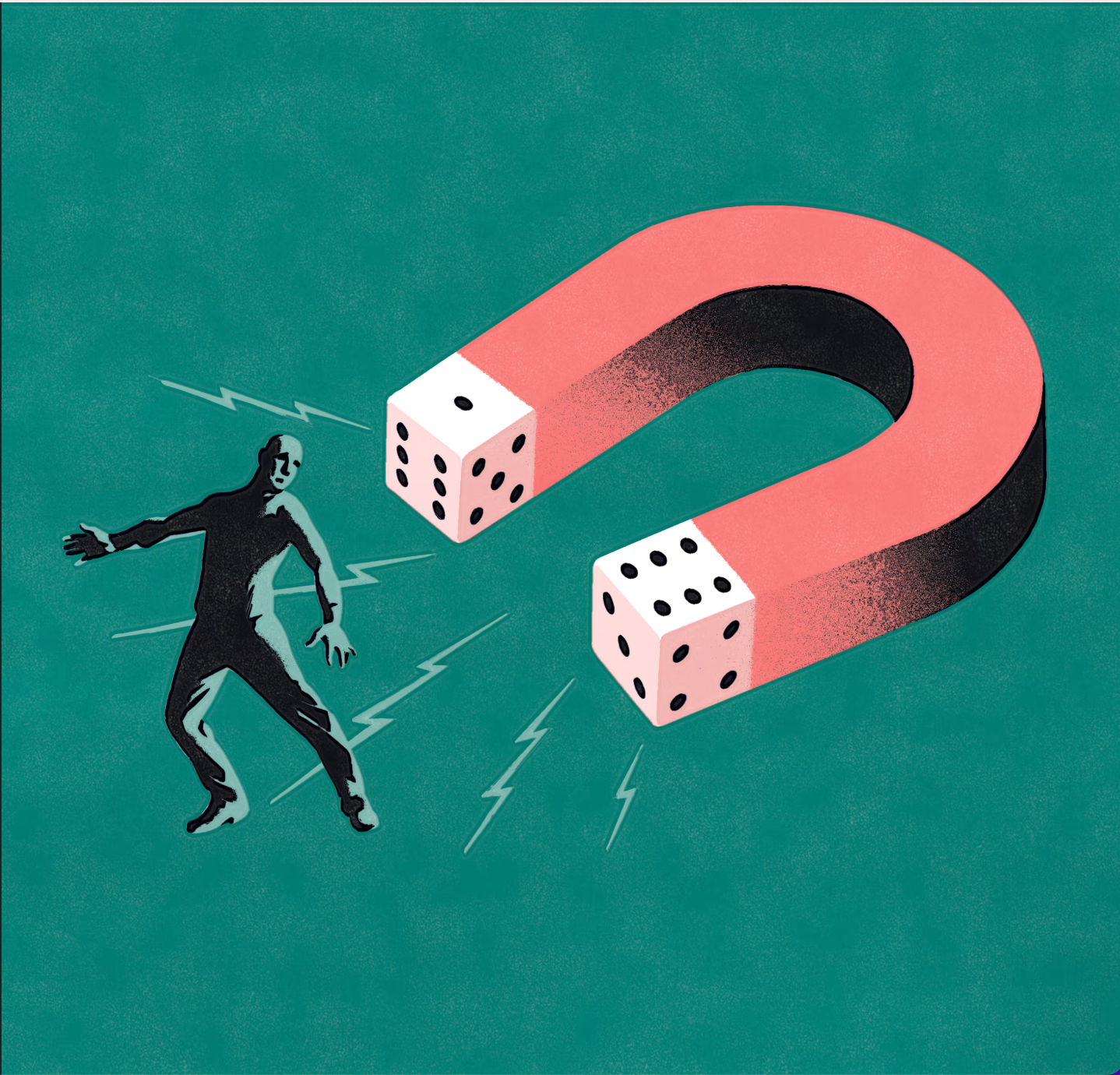
You’re Not Paranoid. The Market Is Out to Get You.
-

Messing Up the Closest Thing to a Sure Thing in the Stock Market
-

What Bill Ackman Got Wrong With His Bungled IPO
-

A Couple Won the Powerball. Investing It Turned Into Tragedy
-
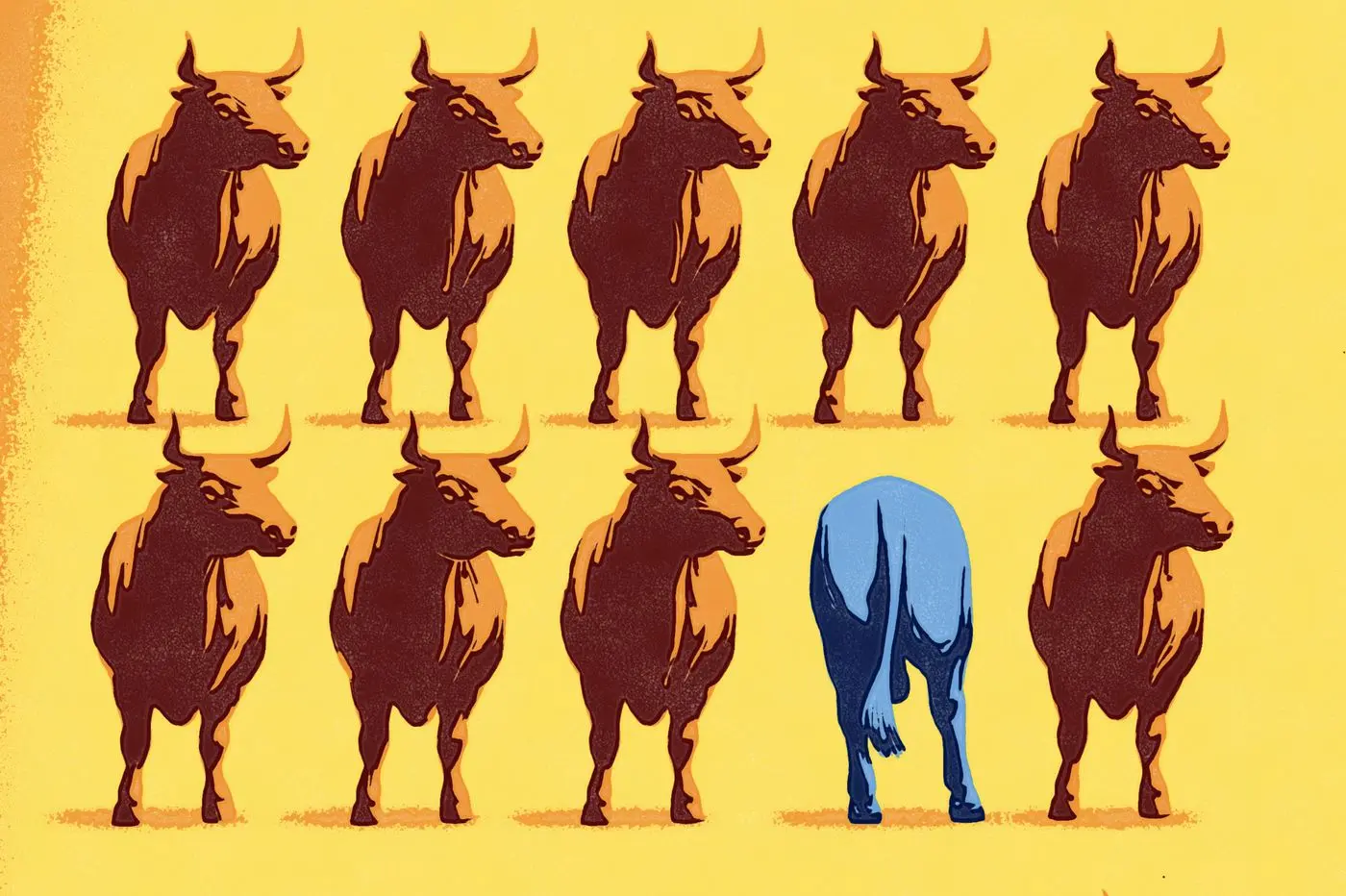
Why Your Fund Manager Can’t Beat Today’s Stock Market
-

Thought of the Day
Money in Art, Money in Culture





Books
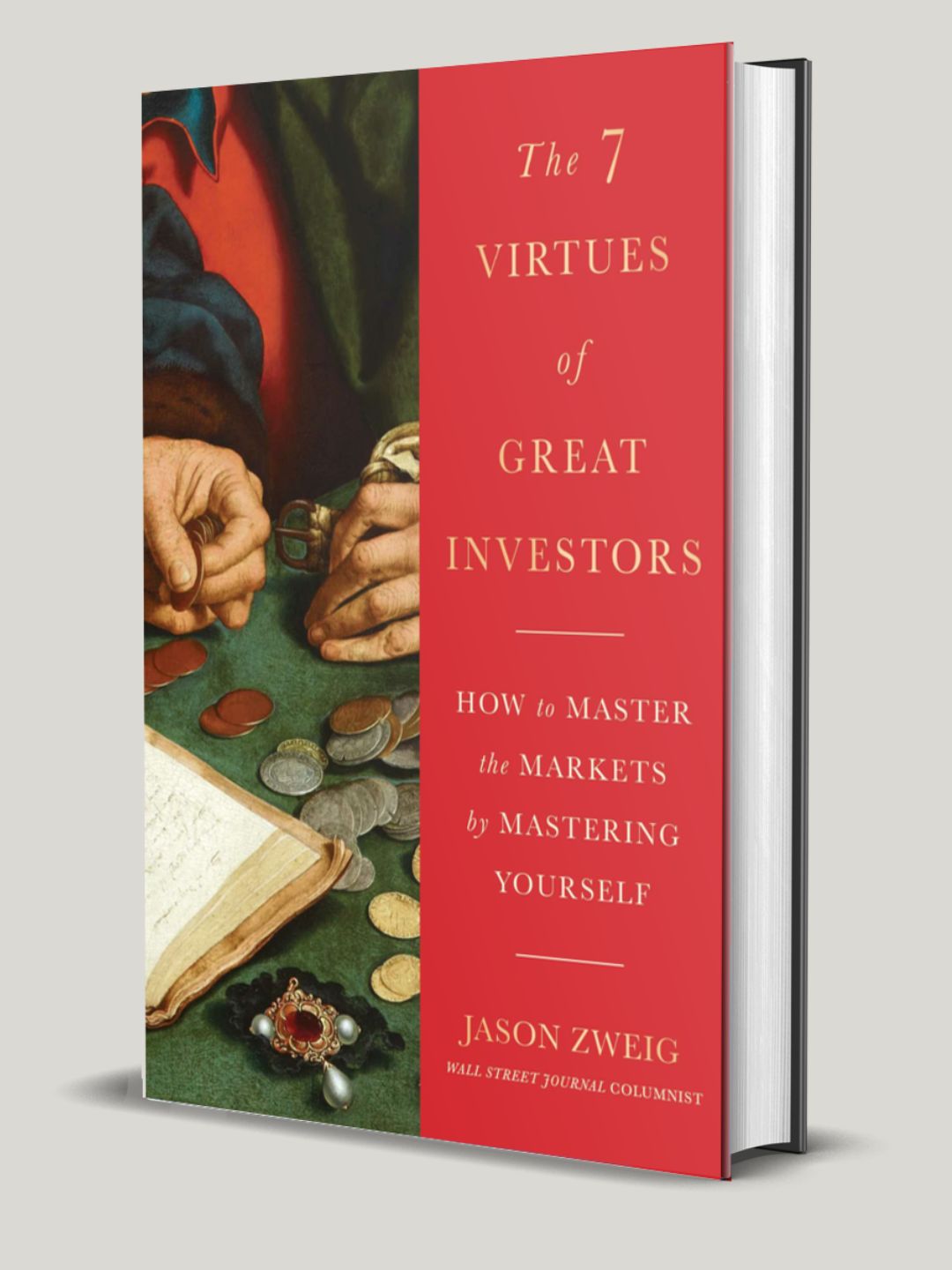
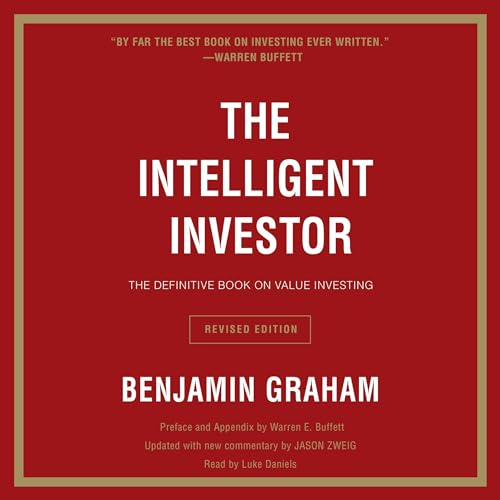
Jason is the author of “Your Money and Your Brain,” on the neuroscience of investing, and the editor of the revised edition of Benjamin Graham’s “The Intelligent Investor,” the classic text that Warren Buffett has described as “by far the best book about investing ever written.”