2000: Neither we nor most business managers would dream of feverishly trading highly-profitable subsidiaries because a small move in the Federal Reserve's discount rate was predicted or because some Wall Street pundit had reversed his views on the market. Why, then, should we behave differently with our minority positions in wonderful businesses? The art of investing in public companies successfully is little different from the art of successfully acquiring subsidiaries. In each case you simply want to acquire, at a sensible price, a business with excellent economics and able, honest management. Thereafter, you need only monitor whether these qualities are being preserved.
–Warren Buffett, chairmans letter, Berkshire Hathaway annual report, 1996,
-
Summon Your Courage and Buy Stocks
Investors who conquer stock-phobia have an edge over those too focused on their rearview mirror By Jason Zweig 2025: Oct. 4, 2008 12:01 am ET During the Great…
Latest articles
-
What’s Luck Got to Do with It?
-

You’re Not Paranoid. The Market Is Out to Get You.
-

Messing Up the Closest Thing to a Sure Thing in the Stock Market
-

What Bill Ackman Got Wrong With His Bungled IPO
-

A Couple Won the Powerball. Investing It Turned Into Tragedy
-

Why Your Fund Manager Can’t Beat Today’s Stock Market
-

Hot Funds and the Curse of ‘Self-Inflated Returns’
-

The Investing Boom That’s Squeezing Some People Dry
-

Thought of the Day
Money in Art, Money in Culture





Books
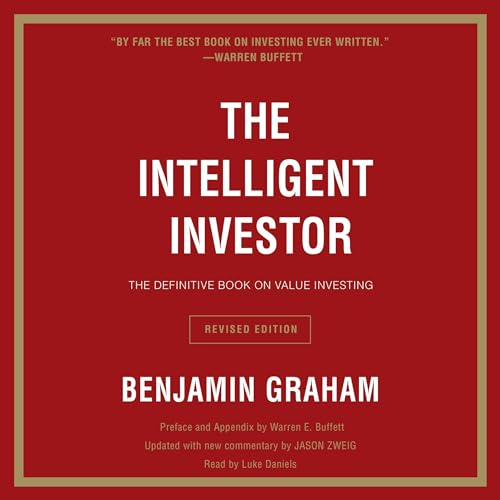
Jason is the author of “Your Money and Your Brain,” on the neuroscience of investing, and the editor of the revised edition of Benjamin Graham’s “The Intelligent Investor,” the classic text that Warren Buffett has described as “by far the best book about investing ever written.”